When Does the Dragon Ball Kai Dub Continue
If you've ever wanted to get into Dragon Ball Z, you'll be in for a shock to learn that there are two different versions of Dragon Ball Z that exist. There's the original Dragon Ball Z that was created back in 1989 in Japan(before coming to the states in '96.) and 2009's re-release called Dragon Ball Kai (Or Dragon Ball Z Kai in the US). Why are their two different versions of the same show? Well, Toei wanted to do something to commemorate DBZ's 20th anniversary and updateD the original series for a new generation of fans. You can watch both shows if you wish to, but Kai is a much better choice if you want to get into Dragon Ball as fast as you can. What's the difference between the two? Well, we'll give you ten differences between it and the original DBZ.
10/10 Featured on Nicktoons before Adult Swim
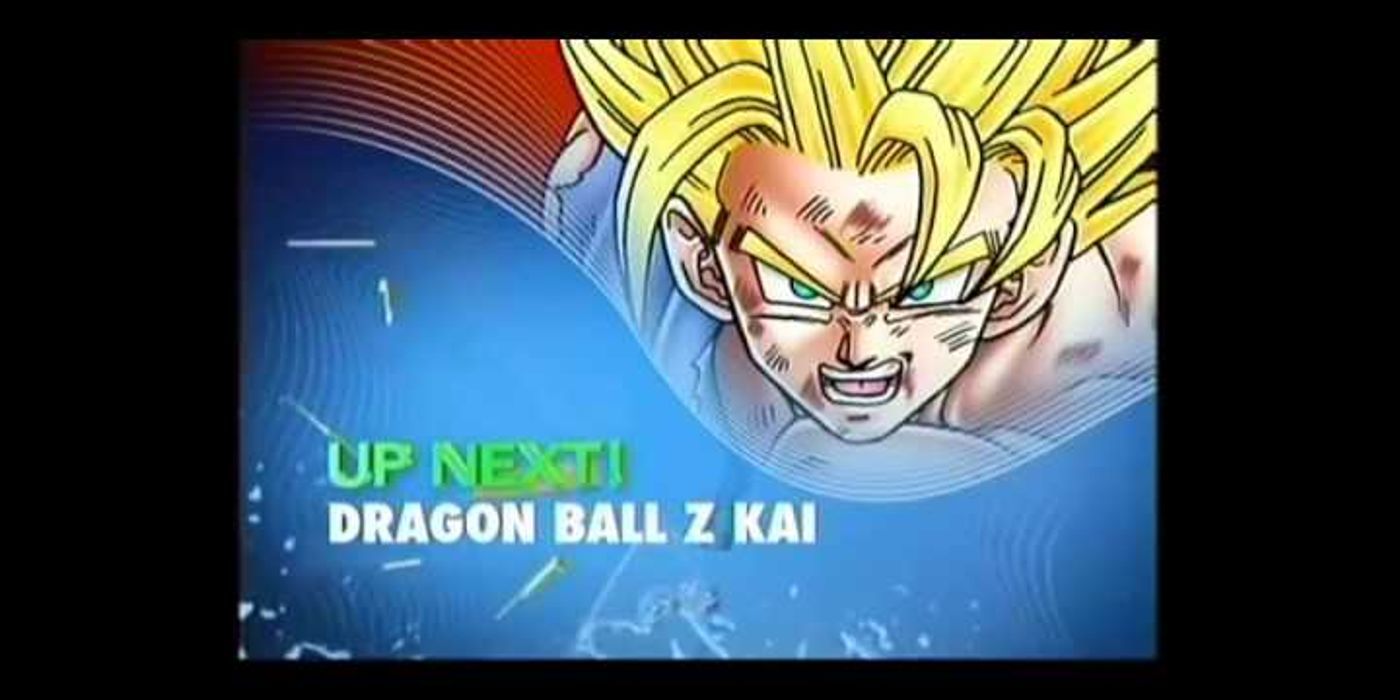
Despite the excessive violence that features plenty of blood, it's easy to forget that Dragon Ball Z has always been meant for Children around the 8-14 age range in both the US and Japan. When DBZ first aired in the US, it was through Cartoon Network in 1996 before running it with it's Toonami Television block in 1998, which introduced a generation of kids to the world of anime.
Since then, DBZ has been featured throughout dozens of networks in multiple languages. When DBZ Kai first aired in the US, it was toned down to make it watchable on Nicktoons, before airing on adult swim a few years later.
9/10 New Intros and endings
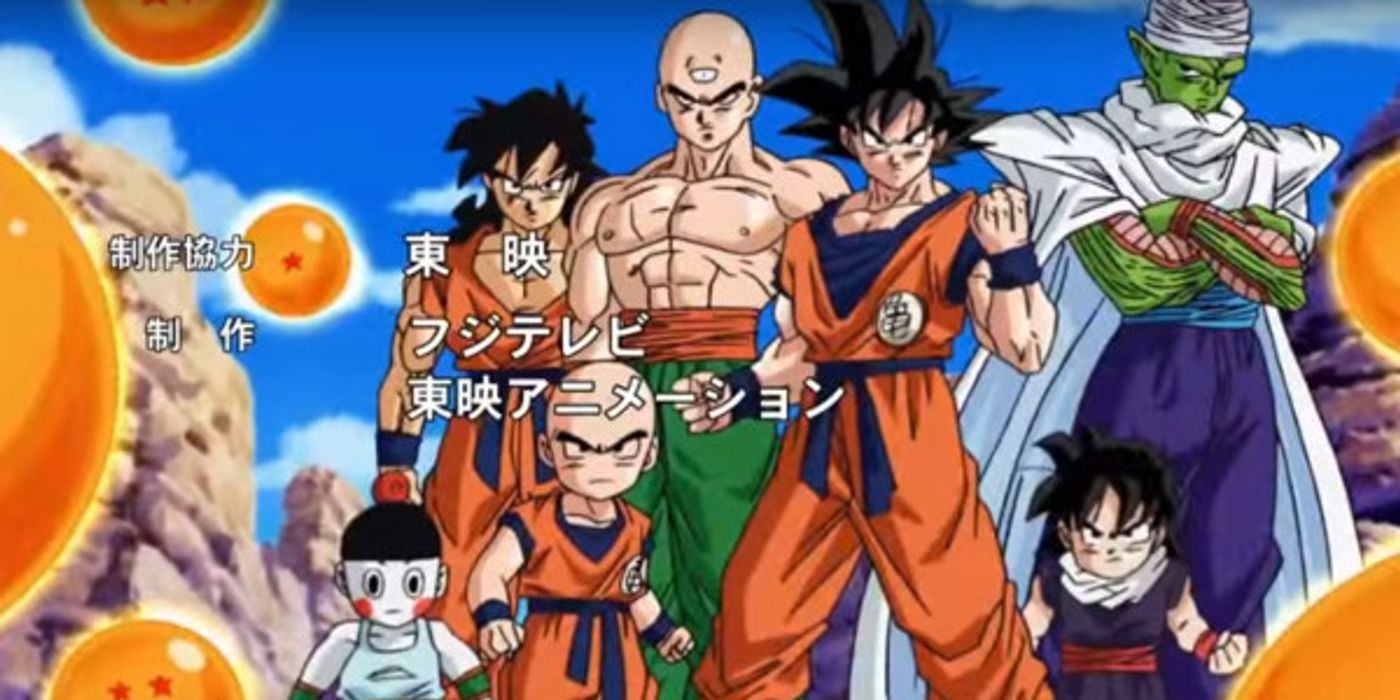
Like with every new iteration of a show, you can't just use the same opening and call it a day. For DBZ, the team at Toei made a new intro for Kai called "Dragon Soul" that featured new animation not seen in the show, as well as two ending themes for the shows first part. Originally in Japanese, the English version had some of the shows voice actors sing and dub it for the Blu-Ray and Nicktoons broadcast. Sadly, the Adult Swim version omitted these for it's broadcast of Kai. Later on, Kai had a brand new intro theme for the Final Chapter called "Fight It Out," as well as it's own ending themes, which were sung in English for both the US and Japan.
8/10 Separated into two parts
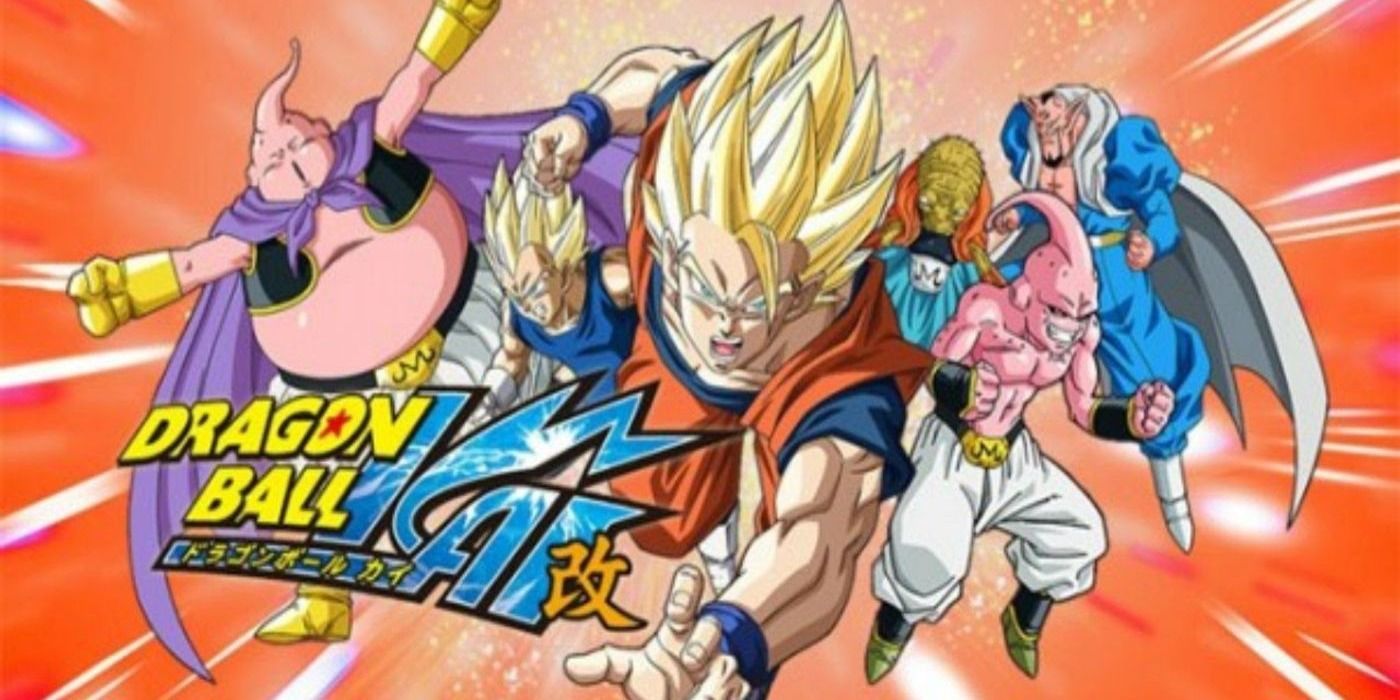
While Dragon Ball Z was able to be aired in its entirety when it first aired on TV, Kai wasn't as lucky. For whatever reason, DBZ Kai originally ended its run with 98 episodes, lasting around the Cell Saga's conclusion. There were no plans to continue it's run and was replaced with the then-new adaptation of Toriko.
Despite this, Kai was a hit in the US. So maybe that's what made Toei want to continue with the show about a year after it ended. So, in 2013, Kai got a new lease on life with 69 episodes based on the Buu Saga. Interestingly, some of the earlier events of The Final Chapter weren't shown in Japan; only available in other countries like the US.
7/10 Updated Coloring
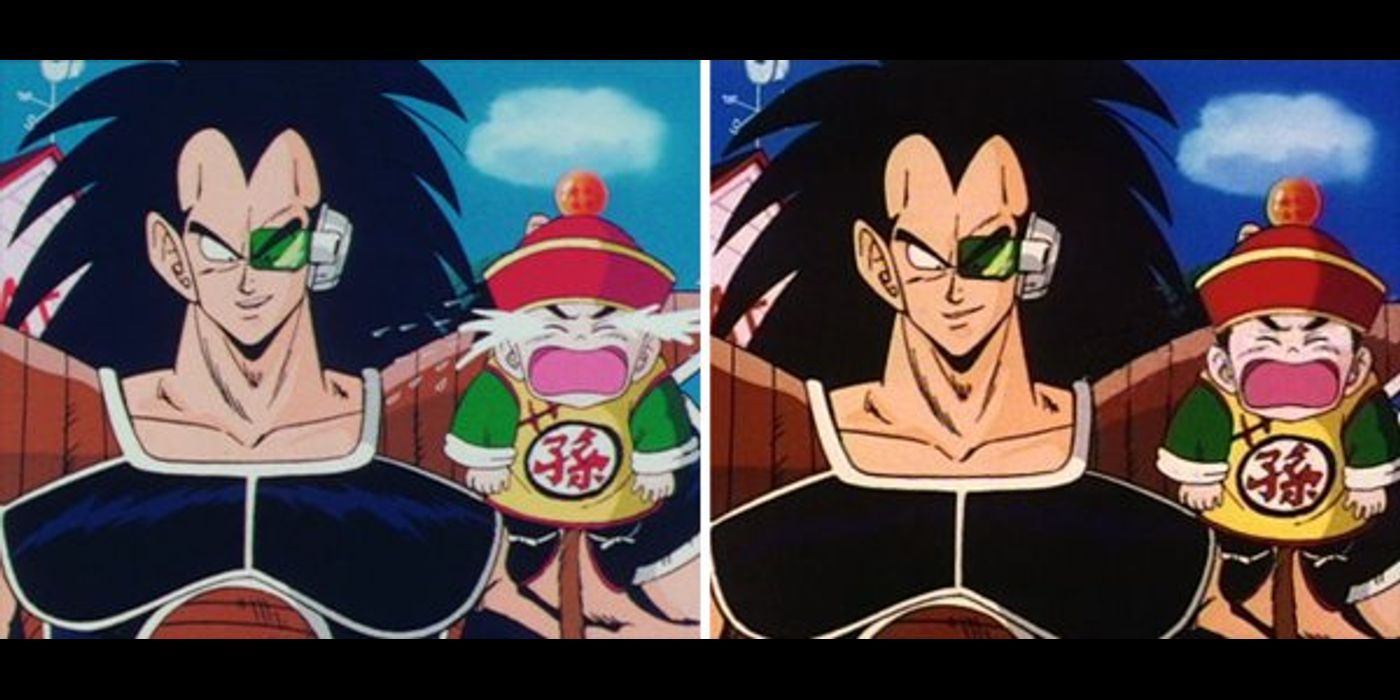
If there are two the Dragon Ball series, as a whole, is known for, it's the colorful world and bright energy attacks. Even by today's standard, few anime can match what the team at Toei did back in '89. Despite the numerous updates Funimation has done to the show, via DVD and Blu-Ray remasterings, you can still tell that the show was made a few decades ago, with the now-dated coloring. One of the most significant improvements Kai made to the original series was the updated coloring, making things much more dynamic and lively in contrast to the original.
6/10 4:3 Aspect Ratio (Saiyan to Cell Saga)
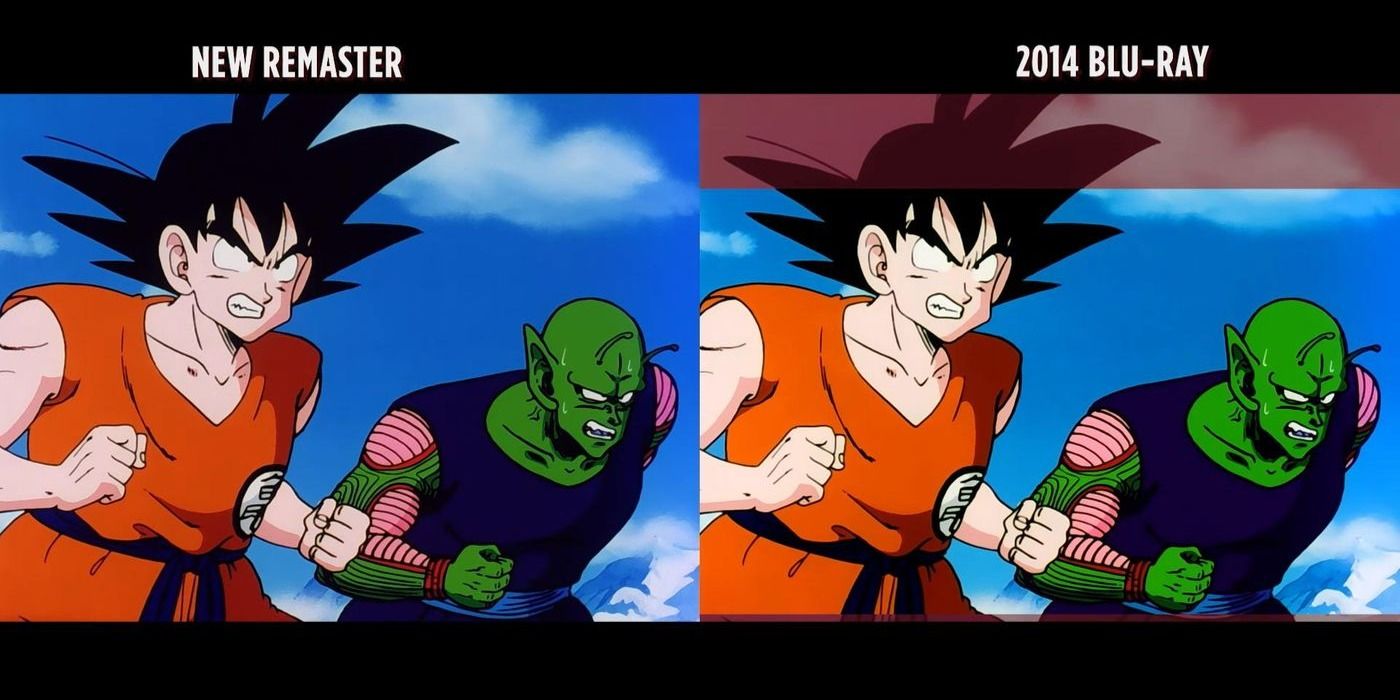
When Funimation re-released DBZ for DVD and Blu-Ray, they made a cheap move by cropping the show to a 16:9 ratio. You can't just crop an older show and call it a day since you'll be taking out part of the image in the process. So, for Kai, Toei was able to go back to the original footage and remastered it in HD with the 4:3 aspect ratio that most shows of the time were aired in.
It's what separates excellent HD remasters, like Batman: The Animated Series on Blu-Ray, to the lazy ones, like what Disney did with the earlier Simpsons seasons on Disney+. Luckily, for fans of the 16:9 ratios, The Final Chapters were released in this aspect ratio, without the need for cropping.
5/10 Japanese Attack Names for Dub (Saiyan to Cell Saga)
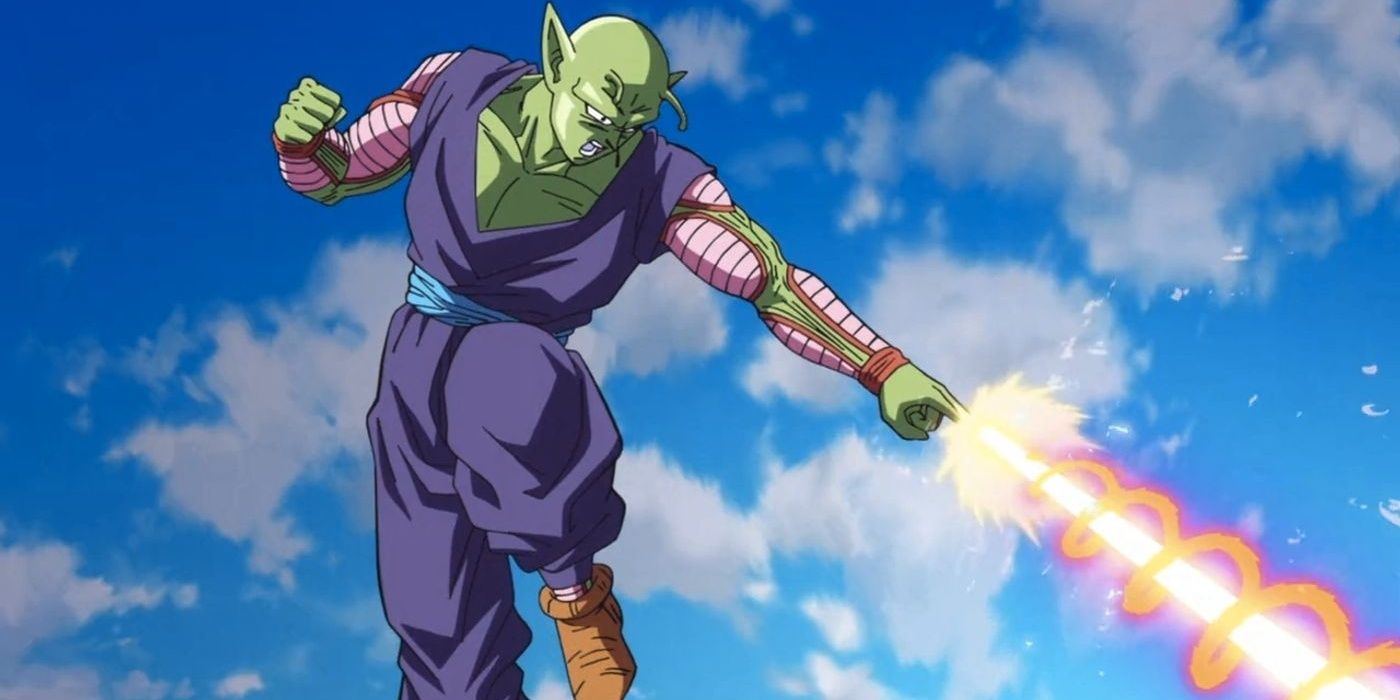
While most of the attack names for DBZ's characters were kept in tack for the various English releases, there were a few name changes done to multiple techniques. For Example, Piccolo's Special Beam Cannon was called "Makankōsappō," which translates to "Demon Penetrating" or "Killing Light Gun" in Japanese. Not very family-friendly or rolls off the tongue enough to put in a video game. However, for the Blu-Ray releases for DBZ Kai, these attack names were kept from the Saiyan Saga to Cell Saga. Seeing how most people were already familiar with the English attack names, they were kept as they were for the Final Chapters.
4/10 New/Old Music
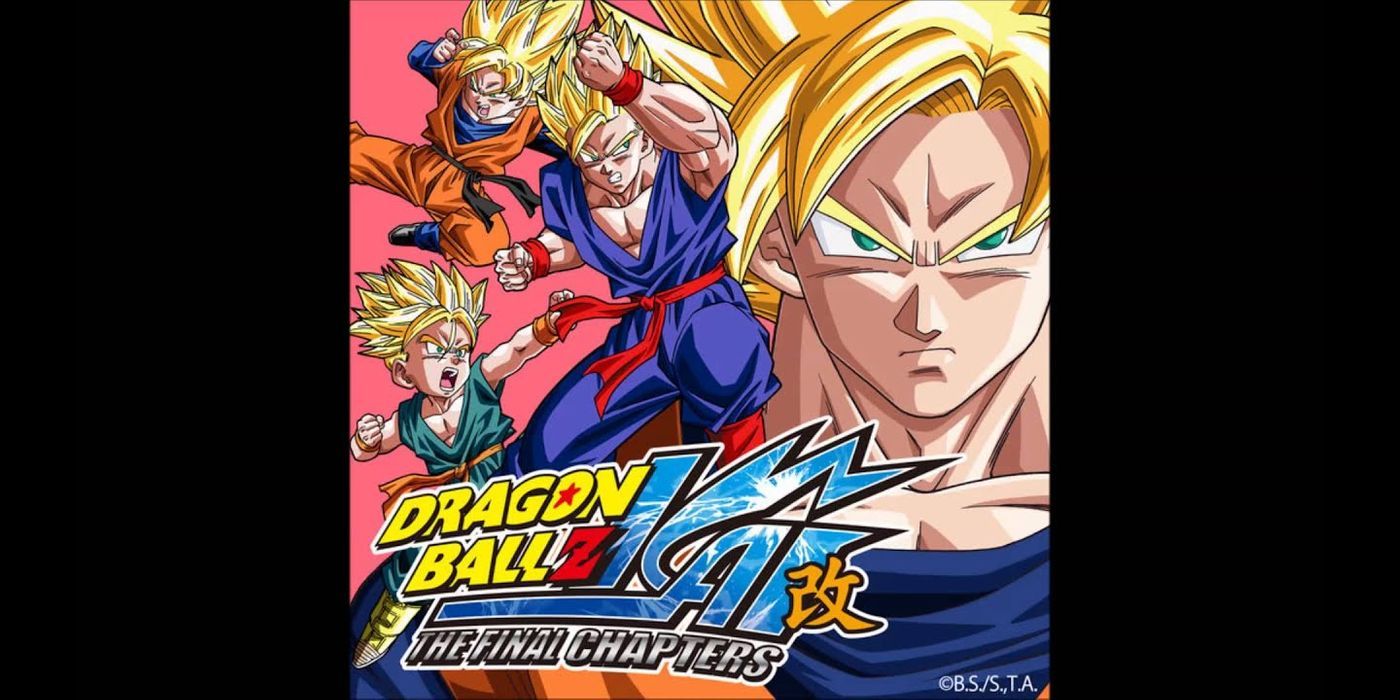
When DBZ Kai was first released, it featured a brand new soundtrack by composer Kenji Yamamoto. Unfortunately, it turned out some of the compositions he made for Kai "borrowed" a few notes from a few American Songs, like Led Zepplin's Immigrant Song, and a few tracks form movies, like Terminator Salvation and Avatar. Yamamoto was fired, and Toei had to use Shunsuke Kikuchi's original score for Kai. Since then, all Home Video releases of Kai uses the original score used from DBZ
3/10 New Voice Acting
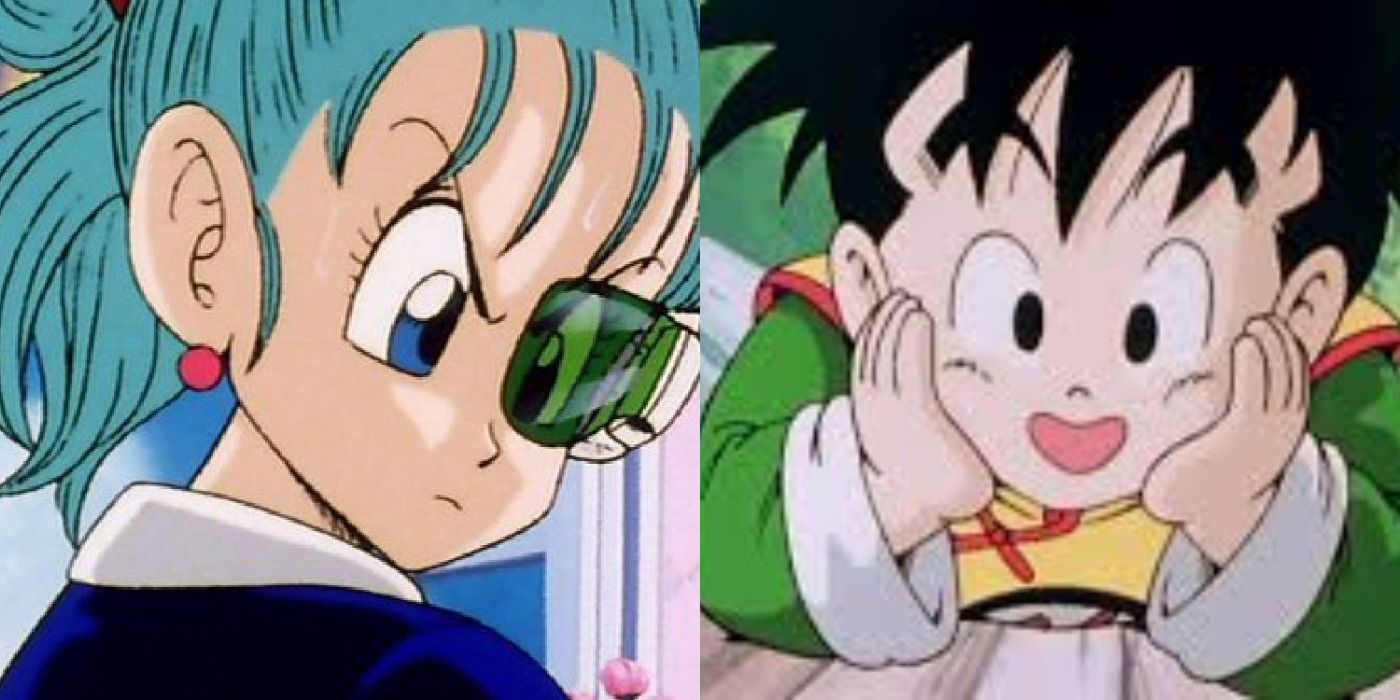
A lot has changed for the cast of DBZ since the show first aired. People's careers change, actors sadly pass away, and what performances were okay for the '90s to the early 2000s wouldn't cut it fro the 2010's. So, for both English and Japanese dubs of DBZ, actors were re-casted. In Japan, actors like Hikaru Midorikawa and Daisuke Kishio replaced roles from deceased actors, like Hirotaka Suzuki (Tien) and Kazumi Tanaka(Jeice).
Meanwhile, for the dub, voice actors like Tiffany Grant and Stephany Nadolny were replaced with Funimation regulars, like Monica Rial and Colleen Clinkenbeard, and Chris Sabat gave some of his roles to other actors, like Jason Liebrecht and J. Micheal Tatum.
2/10 True-to-the-original dub-scripts
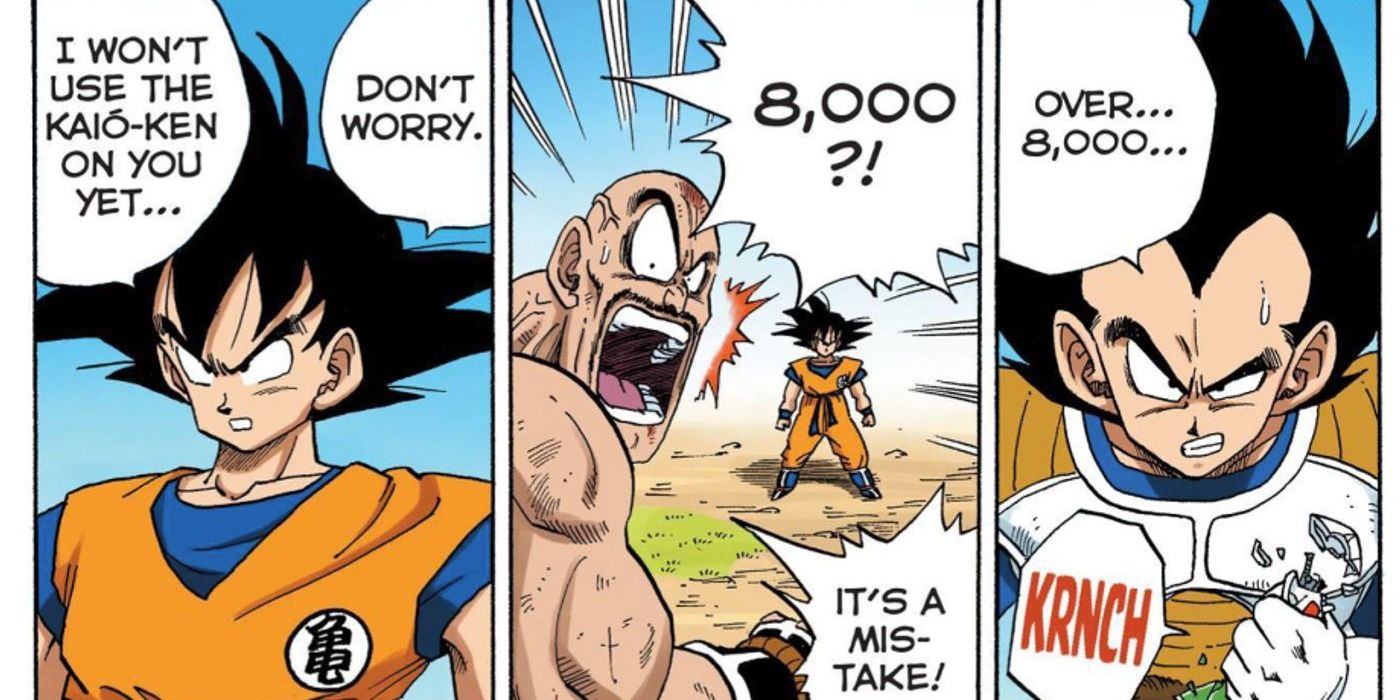
DBZ had a lot of restrictions when it was first aired in the US. According to some of the voice actors and scriptwriters, they had a lot of problems with the Network with how some scenes were recorded and had to re-write a lot of scripts to make it accessible for broadcast on Cartoon Network. They couldn't even get scripts from Japan and translated some of the earlier scripts from the Spanish Dub of DBZ. It wasn't until the Buu Saga when most of the restrictions were let off and they could make the show as it was intended. When Kai came around, the crew at Funimation were allowed to translate the original Japanese scripts, for a more accurate version of DBZ.
1/10 Episode/Filler trimmed
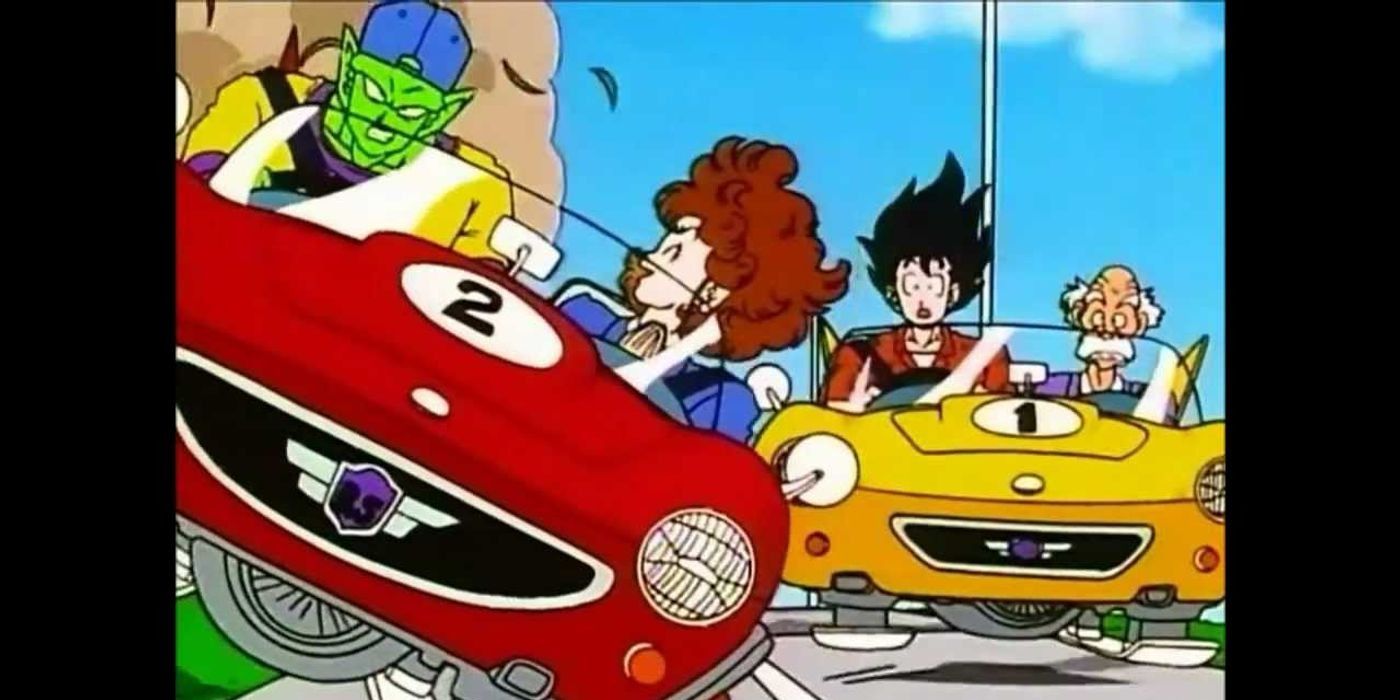
DBZ is a long series, with an episode count of 291. A lot of this was done because the Manga was still ongoing when DBZ went into production. So, to give Akira Toriyama more time to make more content, the team had to create episodes and content that weren't in the original Manga. For Kai, all of the fat was trimmed away, leading to 167 episodes. While this trimming does include events like Goku and Piccolo's driving test, we're pretty sure no one remembers Krillin, Gohan, and Bulma's space adventure with space orphans.
Source: https://www.cbr.com/whats-dragon-ball-z-kai-things-differences-know/
0 Response to "When Does the Dragon Ball Kai Dub Continue"
Post a Comment